
Restore your smile and replace missing teeth with personalized dental implant solutions tailored to your needs.

Discover single-tooth dental implants designed to restore your smile and help you chew comfortably.
Explore All-on-4 and All-on-6 dental implant options for replacing a full arch of missing teeth.


Missing teeth can affect your confidence, your ability to chew comfortably and the way you feel about your smile. Dental implants offer a long-term tooth replacement option designed to restore function and provide a natural-looking result.
If you are considering dental implants in Liverpool, our team can help you explore suitable treatment options based on your oral health, individual needs and goals.
Whether you are missing a single tooth, several teeth or most of your teeth, an implant consultation can help you understand the available options, the treatment process and the expected costs.
Dental implants can be used in different ways depending on how many teeth are missing and the condition of your teeth, gums and jawbone.
A single dental implant can replace one missing tooth without relying on neighbouring teeth for support, as a conventional tooth-supported bridge would.
If you are missing several teeth, multiple dental implants may support individual crowns or an implant-supported bridge, depending on your clinical needs.
Full-mouth dental implant treatment may be considered when most or all teeth are missing or need to be replaced depending on your circumstances.
All-on-4 is a full-arch treatment concept that uses four strategically positioned implants to support a replacement set of teeth in suitable cases.
Replace a full arch of missing teeth with a fixed implant-supported restoration using six dental implants, subject to clinical suitability.
Build up insufficient jawbone where needed to support planned dental implant treatment and improve suitability following a detailed clinical assessment.
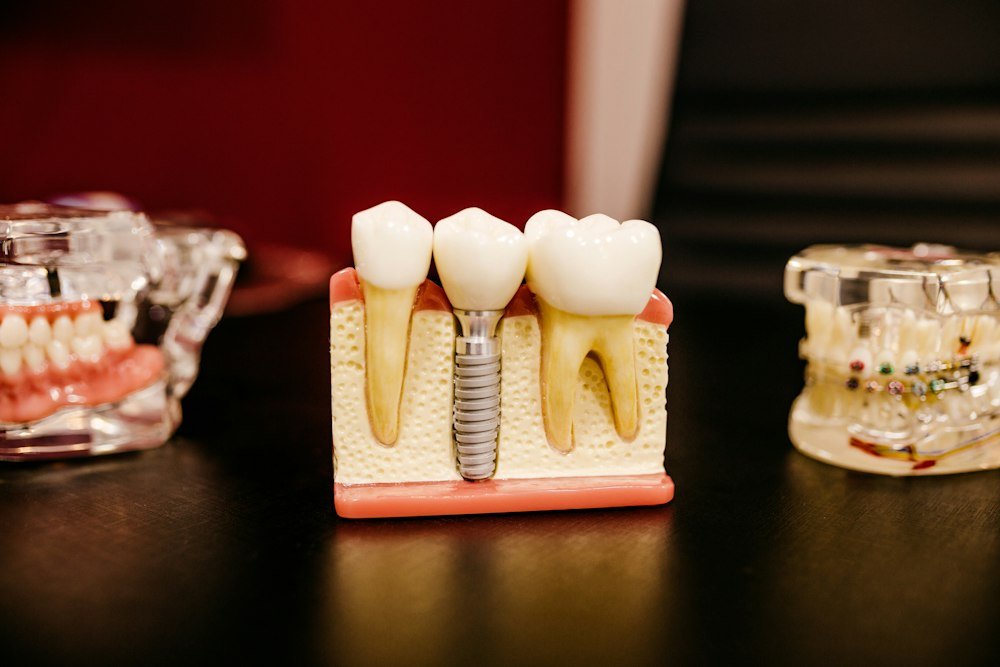
Dental implants are small fixtures, commonly made from titanium, that are placed in the jawbone to support replacement teeth. Once healing and integration with the bone have progressed sufficiently, the implant can support a restoration such as a crown, bridge or denture.
A typical dental implant restoration has three main components:
The fixture placed in the jawbone.
The connector between the implant and the restoration, where required.
A crown, bridge or denture designed to replace missing teeth.
Dental implants are one of several options for replacing missing teeth. They are not suitable for everyone, and treatment planning must consider your oral health, medical history and individual circumstances.
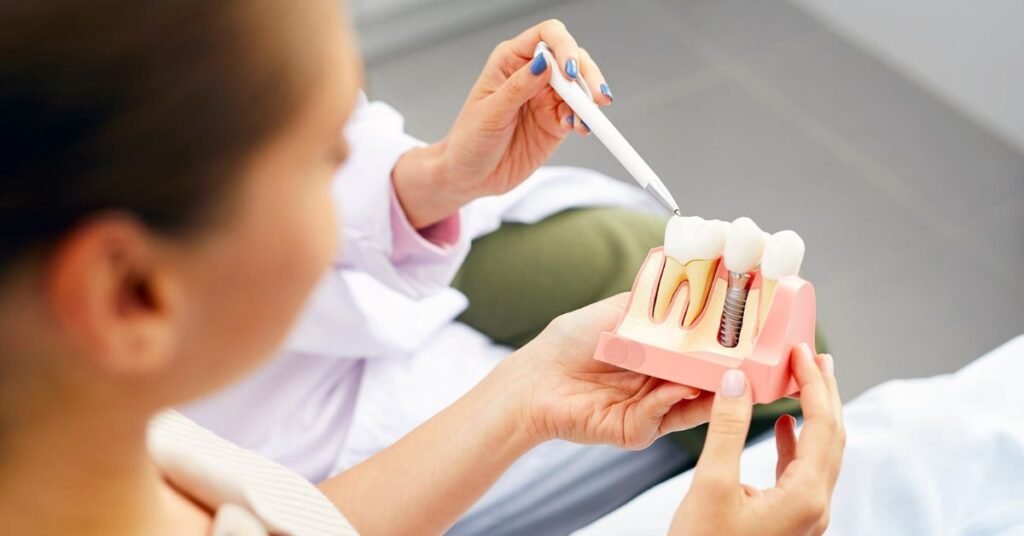
Dental implants may offer several benefits when they are clinically appropriate.
Implant-supported replacement teeth can be designed to complement the appearance of your existing teeth, including their shape, size and colour.
Replacing missing teeth may help restore chewing function. Your dentist will assess your bite and explain the expected functional outcome.
Implants can support crowns, bridges and certain types of dentures, depending on the treatment plan.
A single implant-supported crown does not usually require the adjacent teeth to be prepared for support in the way a conventional tooth-supported bridge does.
Dental implants can last for many years, but their longevity varies. Oral hygiene, gum health, smoking, general health and regular professional maintenance can all influence long-term outcomes.
Your dentist will discuss the potential benefits, limitations and risks before you decide whether to proceed.
The cost of dental implants in Liverpool depends on the number of implants required, the type of replacement teeth, the complexity of treatment and any additional procedures that may be necessary.
Whether you need a single dental implant, replacement teeth for the front of your smile or a full-arch restoration, understanding the costs can help you plan your treatment. Additional procedures, such as bone grafting or sinus grafting, may also affect the overall price.
Our dental implant fees are outlined below to help you explore the available treatment options.
| Treatment | Price |
|---|---|
| Dental Implant Consultation | £150 |
| CT Scan (per arch) | £100 |
| Single Implant Placement | £1,200 |
| Single Tooth Replacement | From £2,500 |
| Front Tooth Replacement | From £3,200 |
| Same-Day Teeth with 4 Implants, Fixed Acrylic Temporary Bridge and Permanent Titanium Bar with Wraparound | From £13,500 |
| Titanium Thimble with Individual Zirconia Crowns | £15,000 |
| Implant Removal | £300 per implant |
Dental implants may be suitable for adults who have one or more missing teeth and want to explore a fixed or implant-supported replacement.
Suitability depends on several factors, including:
Some patients may need gum treatment or other preparatory procedures before implant placement. Bone grafting may also be considered when there is insufficient bone for the planned treatment.
Having bone loss or a history of gum disease does not automatically rule out dental implants, but it may affect your treatment options and risks.
A clinical assessment is necessary to determine whether implants are appropriate for you.
Your treatment will depend on your oral health and the type of restoration being planned. The process commonly involves several stages.
Your dentist will discuss your concerns, dental history, expectations and possible treatment options.
The dentist will assess your teeth, gums and bite. X-rays or other imaging may be required to evaluate the jawbone and plan treatment.
If you are suitable for treatment, the implant is placed in the jawbone using a planned surgical procedure. The details depend on your clinical needs.
The implant usually needs time to integrate with the surrounding bone. The healing period varies according to the patient, the site and the treatment performed.
Once the dentist determines that the implant is ready, the planned crown, bridge or other restoration can be fitted.
Regular dental reviews, professional maintenance and good daily oral hygiene are important for protecting your implants and surrounding gums.
In selected cases, temporary teeth may be provided during treatment. Immediate or early loading is not appropriate for every patient, and the timing must be determined clinically.
Choosing a dental implant provider is an important decision. You should understand who will carry out your treatment, what the proposed plan involves and how your care will be supported over time.
At Dental Implant Liverpool, patients considering dental implants should be able to access clear information about their treatment options, costs and clinical care.
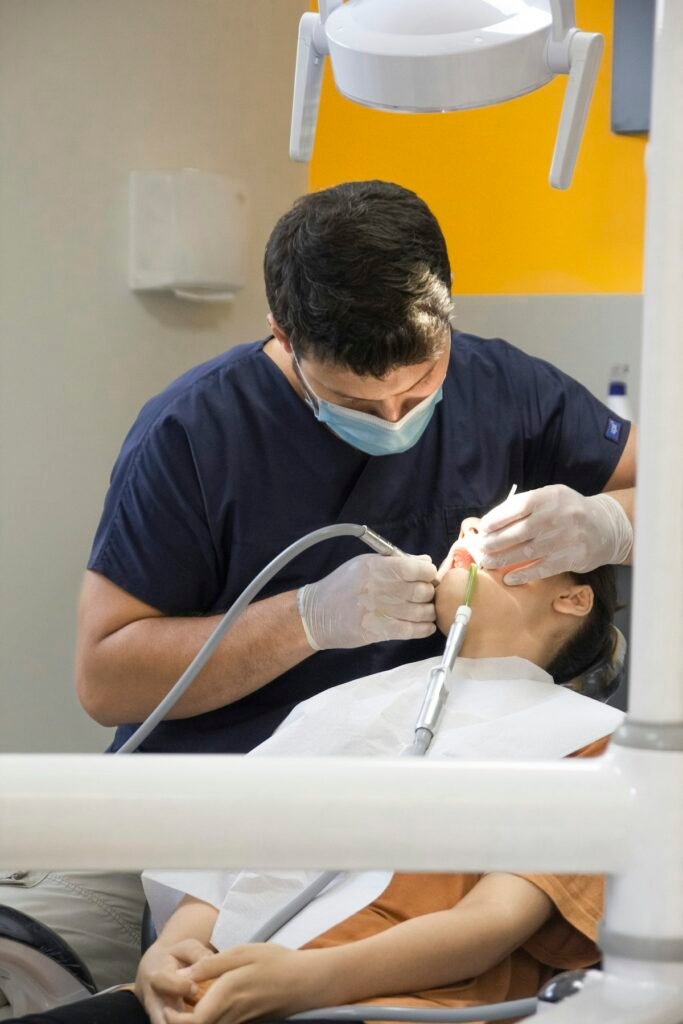
Your treatment plan should be based on your oral health, the condition of your jawbone, your expectations and the available clinical options.
Understanding the proposed treatment and associated fees helps you make an informed decision before committing to care.
Meet the clinician responsible for your implant treatment, review their relevant qualifications and experience, and verify their registration with the General Dental Council where applicable.
Dental implants require continuing maintenance. Ask about the recommended review schedule, hygiene support and what to do if you experience problems after treatment.
You should have the opportunity to discuss concerns, ask questions and understand the potential benefits, risks and alternatives before deciding whether to proceed.


 Trustindex verifies that the original source of the review is Google.

 Trustindex verifies that the original source of the review is Google.
 Trustindex verifies that the original source of the review is Google.
 Trustindex verifies that the original source of the review is Google.
 Trustindex verifies that the original source of the review is Google.
 Trustindex verifies that the original source of the review is Google.
 Trustindex verifies that the original source of the review is Google.
 Trustindex verifies that the original source of the review is Google.
 Trustindex verifies that the original source of the review is Google.
 Trustindex verifies that the original source of the review is Google.
Seeing genuine dental implant cases can help you understand the types of results that may be achievable.
Our clinical case gallery can showcase selected cases, where available, to explain the original concern, the treatment approach and the outcome.
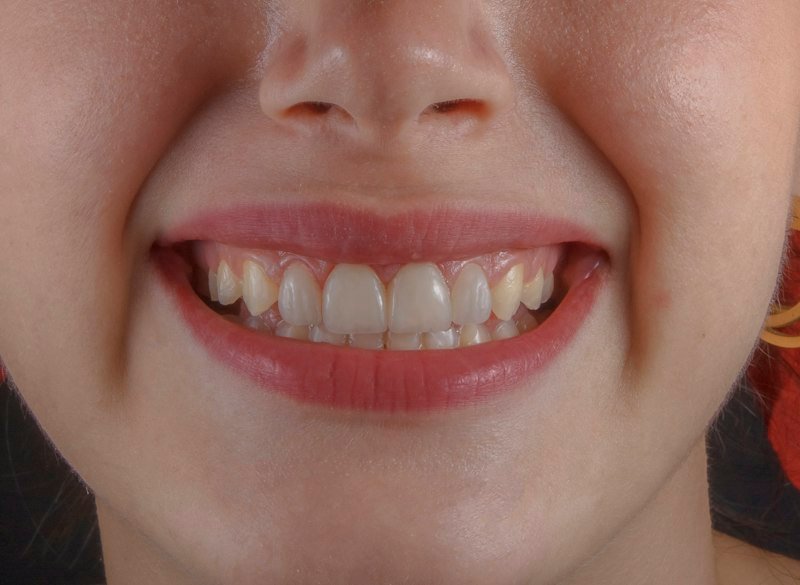
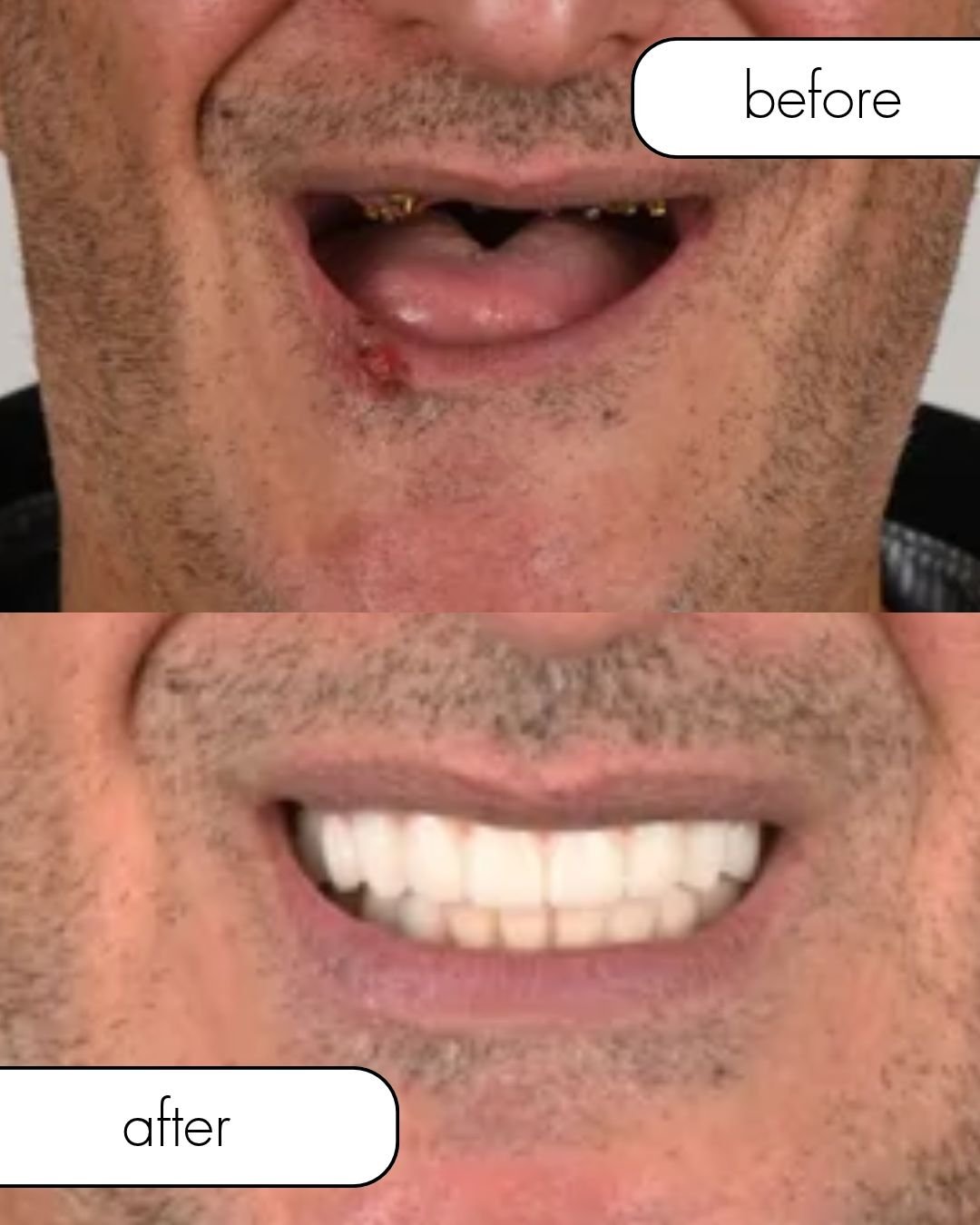
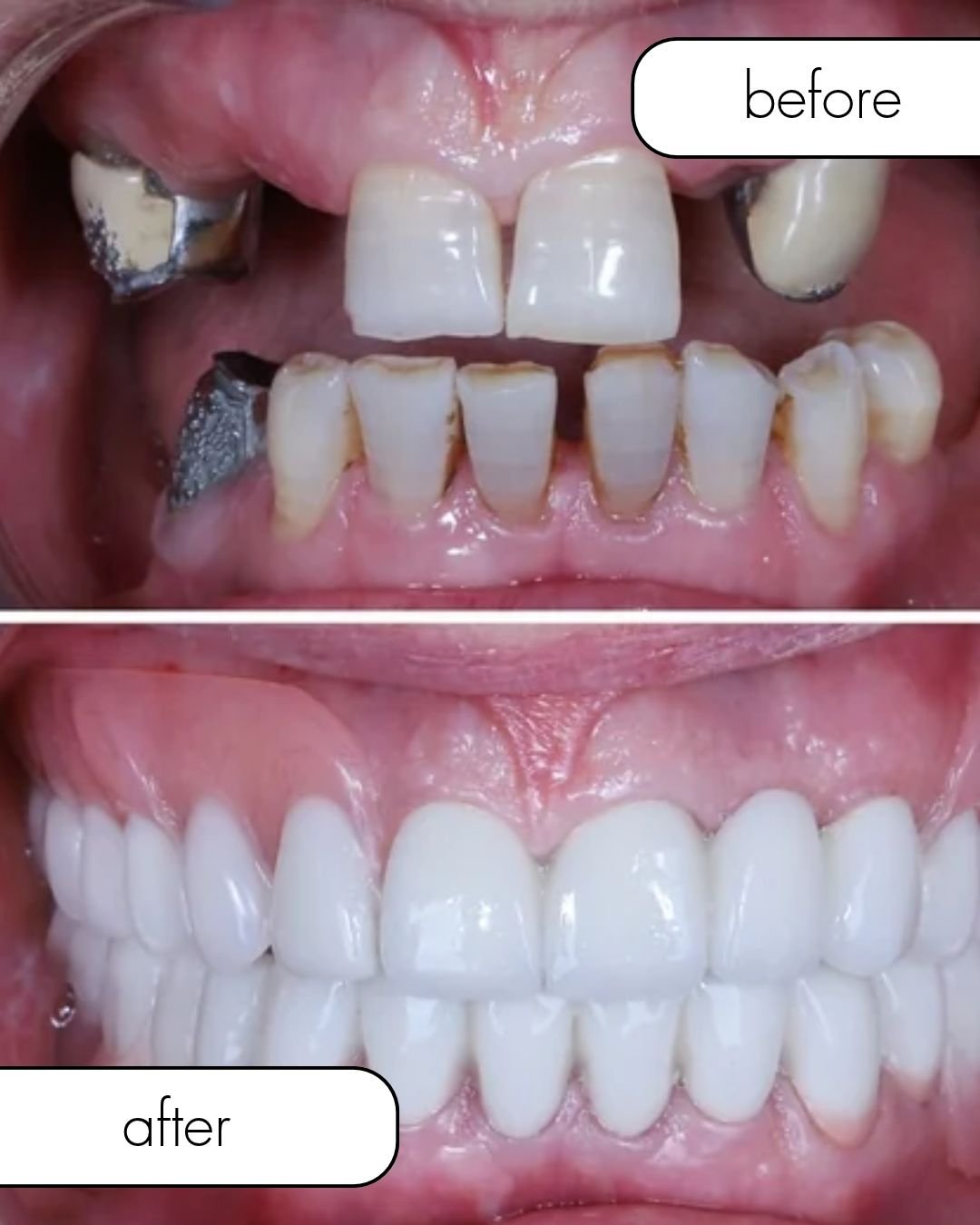
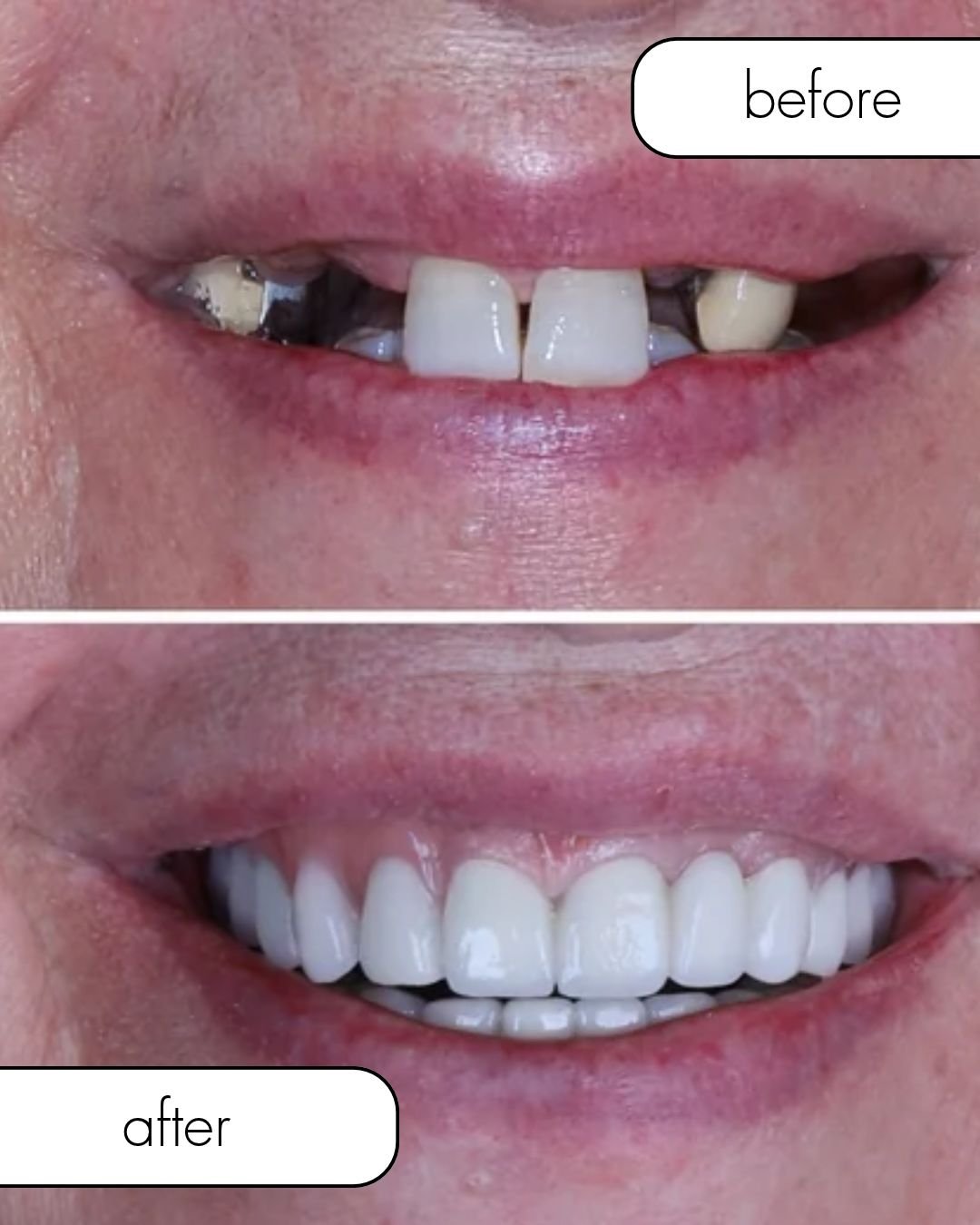
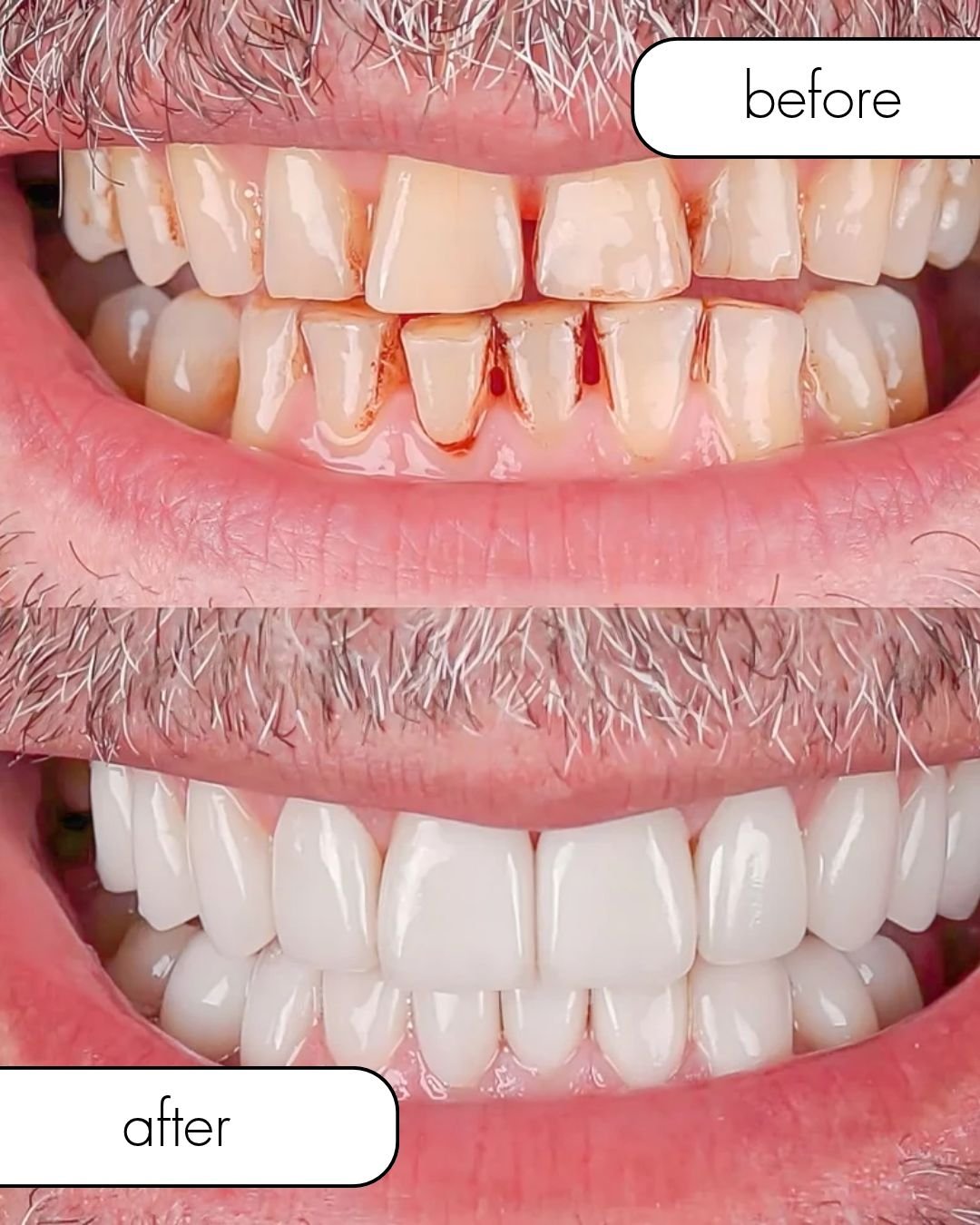
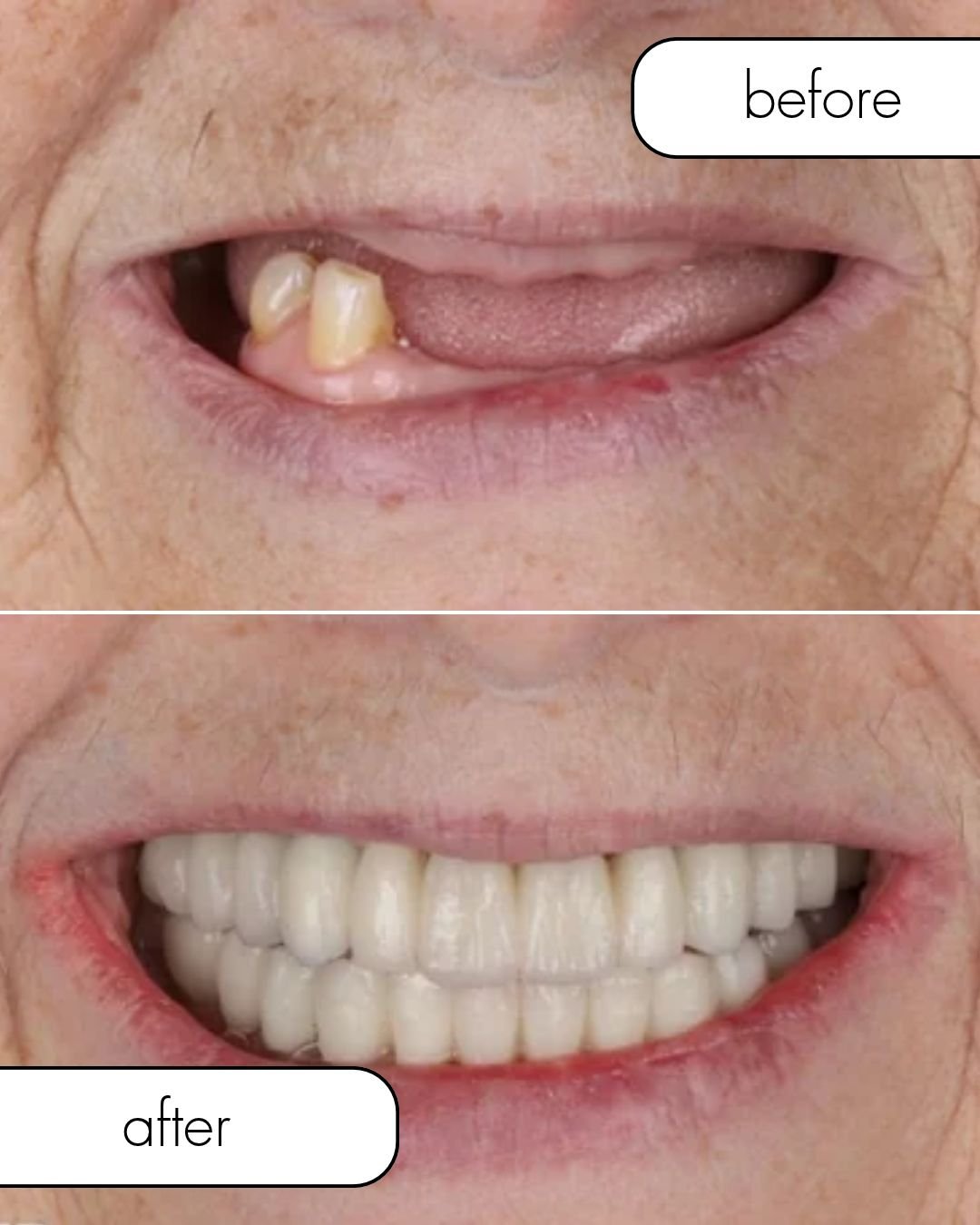
Every patient is different. Results depend on individual anatomy, oral health, treatment planning and healing, so a result shown in a case study cannot guarantee the same outcome for another patient.
Dental implants are not the only way to replace missing teeth. Depending on your situation, your dentist may discuss alternatives.
| Treatment | How it works |
|---|---|
| Dental implant | A fixture in the jawbone supports a replacement tooth or teeth. |
| Dental bridge | A replacement tooth or teeth are supported by neighbouring teeth or, in some cases, implants. |
| Removable denture | A removable appliance replaces some or all missing teeth. |
| Implant-retained denture | Implants help improve the retention of a removable denture. |
Each option has advantages, limitations, costs and maintenance requirements. Your dentist can explain which options may be appropriate based on your oral health and preferences.
The price depends on the number of implants, the type of restoration and whether additional treatment is needed. Ask your dental provider for a personalized treatment plan and a written breakdown of all fees. See our dental implant cost guide for further information.
Implant placement is generally carried out using local anaesthesia, and sedation may be available in some settings. You may experience discomfort, swelling or bruising during recovery. Your dentist will explain how to manage symptoms and when to seek advice.
Treatment may take several months from assessment to the final restoration, although the timeline varies. Healing, bone grafting and the type of restoration can affect the overall duration.
Dental implants can function for many years, but no specific lifespan can be guaranteed. Their long-term success depends on several factors, including gum health, oral hygiene, smoking, general health and ongoing maintenance. The implant and its crown or other restoration may have different maintenance or replacement needs.
Possibly. Your dentist will assess the amount and quality of bone available. Depending on the findings, additional procedures or alternative treatments may be considered. Only a clinical assessment can establish your options.
Neither option is best for everyone. Dental implants can support fixed teeth or help secure dentures, while conventional dentures are removable and may avoid implant surgery. Your dentist can compare the benefits, risks, costs and maintenance requirements for your circumstances.
Smoking can increase the risk of healing complications and implant-related problems. If you smoke, discuss your habits and the potential risks with your dentist before treatment.
Brush twice daily with fluoride toothpaste, clean around your implants as instructed, and attend recommended dental and hygiene appointments. Your dentist may recommend specific brushes or interdental cleaning tools depending on your restoration.
Yes. A proper clinical assessment is needed to evaluate your oral health, suitability, possible risks and treatment options. Your dentist can then explain the recommended plan, expected timeline and costs.
Contact Dental Implant Liverpool on 0151 709 5454 or book online to enquire about an implant consultation. The team can explain the appointment process and the information you should bring.
Whether you are exploring a single dental implant, multiple implants or a full-mouth restoration, an individual assessment can help you make an informed decision about treatment, costs and expected outcomes.